


Barn cleaning: Essential for hygiene and health in livestock production
A clean barn is crucial to the health and well-being of livestock. Barn cleaning helps remove manure, bacteria and other contaminants, improving the living environment of animals. Regular cleaning helps improve air quality, reduces the risk of infection and promotes overall farm hygiene.
Why is barn cleaning important?
Livestock producers face daily dirt build-up in stalls, which can lead to:
- Bacterial and mold growth on floors, walls and equipment
- Poor air quality due to ammonia fumes and dust
- Increased risk of claw and udder infections in cows
- An unpleasant work environment for employees
Creating an effective barn cleaning plan can significantly improve on-farm hygiene, benefiting both animals and productivity.
How to effectively clean a barn?
Daily cleaning
A basic routine helps prevent dirt build-up. This includes:
- Removing manure and feed residues
- Keeping drinking and feeding bowls clean
- Regular cleaning of cubicles and walkways
Periodic deep cleaning
In addition to daily cleaning, it is essential to perform periodic deep cleaning. This includes:
- High-pressure cleaning to loosen stubborn dirt
- Use of barn cleaning agents for deep cleaning
- Disinfection to reduce germs
Use of appropriate cleaners
Several types of cleaners are available for effective barn cleaning:
- Alkaline cleaners: remove greases and organic matter
- Acid cleaners: help dissolve scale and minerals
- Foam cleaners: Stay on longer and remove dirt more efficiently
- Disinfectants: Reduce bacterial contamination
Benefits of a good cleaning plan
A clean barn offers several benefits:
- Less chance of infections and diseases
- Improved feed intake and animal welfare
- Longer life of barn equipment and floors
- Hygienic work environment for employees
Discover support for barn cleaning
Products for barn cleaning
 Select options This product has multiple variants. The options may be chosen on the product page
 Select options This product has multiple variants. The options may be chosen on the product page
 Select options This product has multiple variants. The options may be chosen on the product page
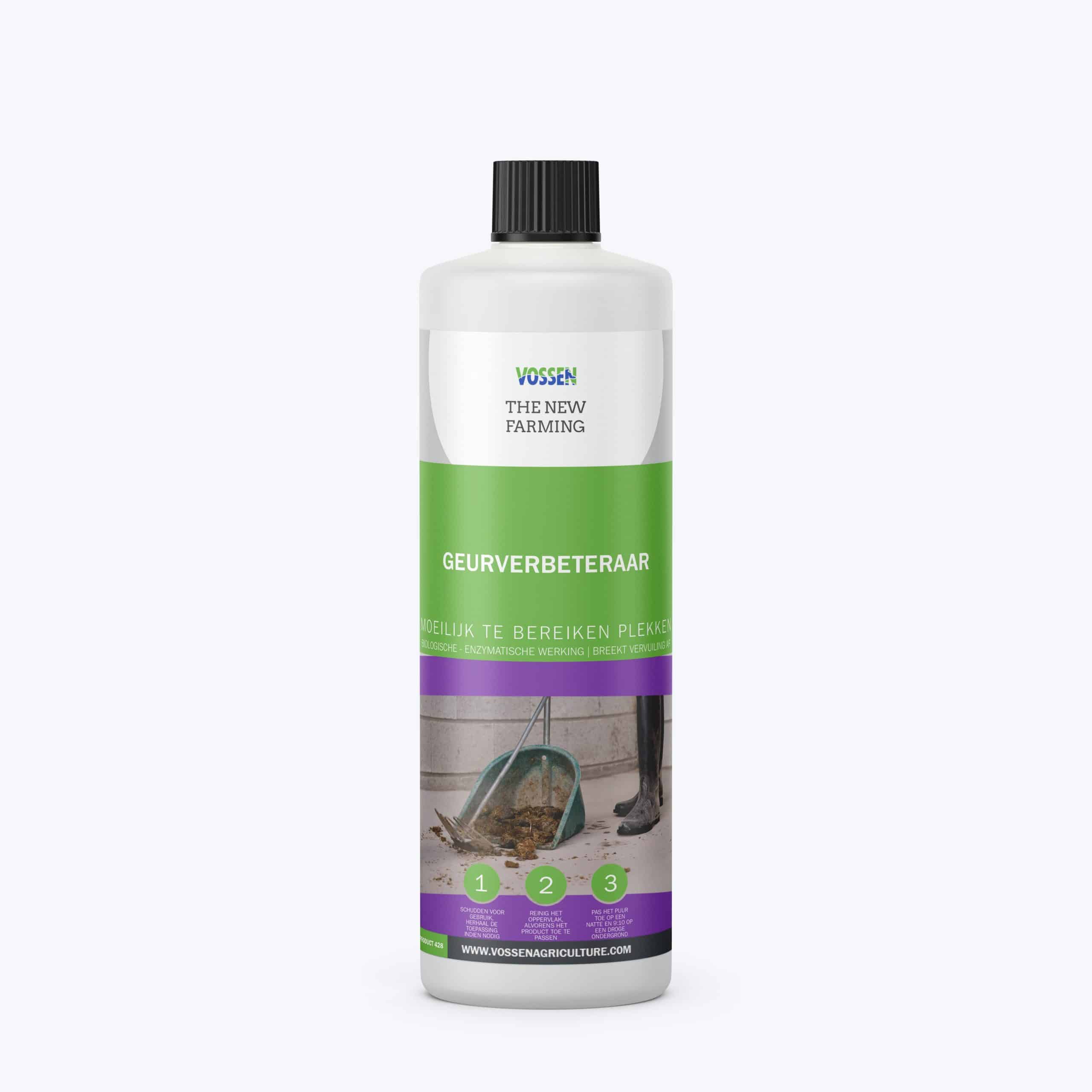 Select options This product has multiple variants. The options may be chosen on the product page
 Select options This product has multiple variants. The options may be chosen on the product page
 Select options This product has multiple variants. The options may be chosen on the product page
 Select options This product has multiple variants. The options may be chosen on the product page
 Select options This product has multiple variants. The options may be chosen on the product page
 Select options This product has multiple variants. The options may be chosen on the product page
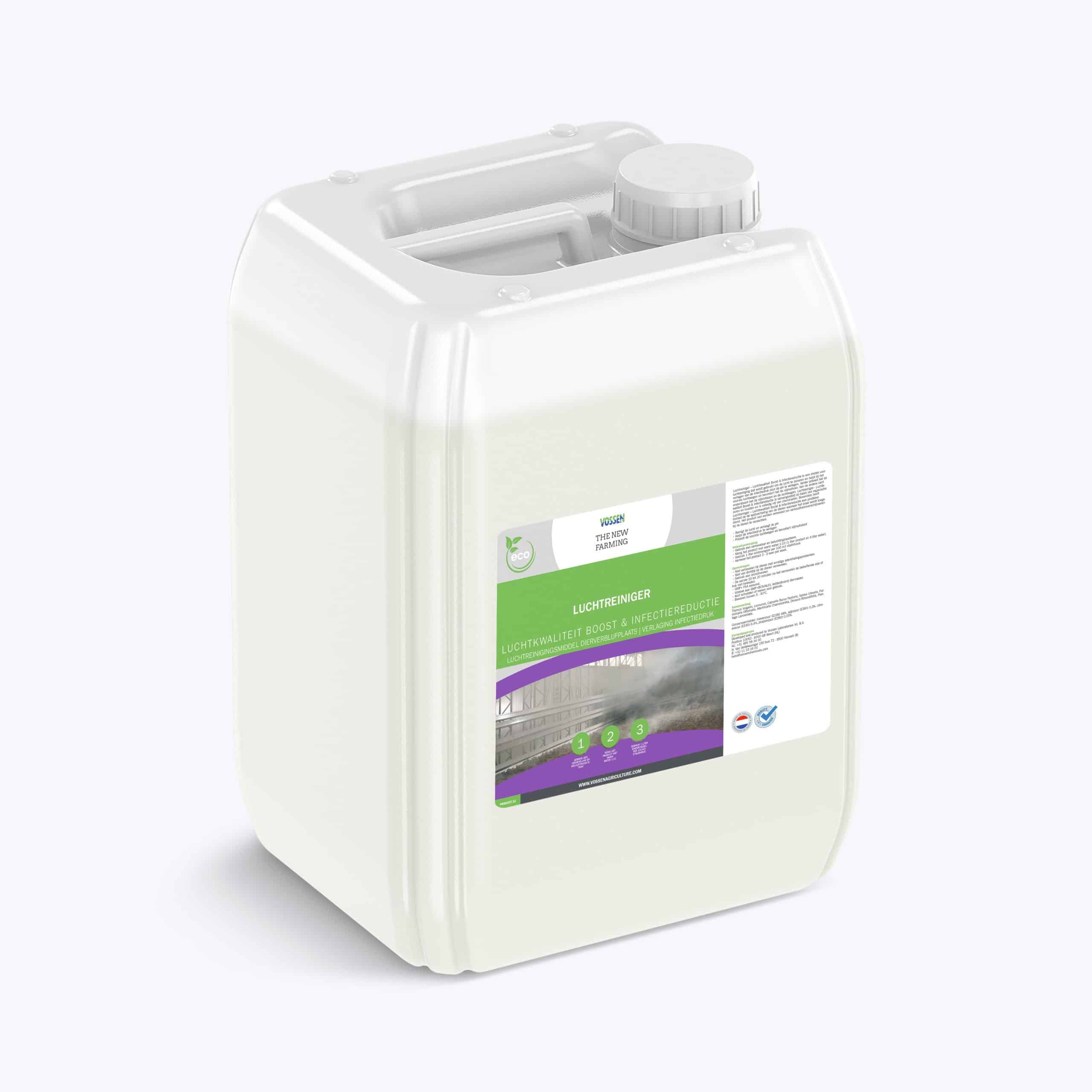 Select options This product has multiple variants. The options may be chosen on the product page
 Select options This product has multiple variants. The options may be chosen on the product page
 Select options This product has multiple variants. The options may be chosen on the product page
 Select options This product has multiple variants. The options may be chosen on the product page
 Select options This product has multiple variants. The options may be chosen on the product page
 Select options This product has multiple variants. The options may be chosen on the product page
 Select options This product has multiple variants. The options may be chosen on the product page


