


Udder health in cows: Essential for milk production and animal welfare
Udder health in cows is a crucial factor in dairy farming and directly affects milk production, milk quality and cow welfare. Problems such as mastitis, teat damage and reduced resistance can lead to economic losses, increased workload and shorter life expectancy of dairy cattle. Prevention, monitoring and targeted treatment therefore play a key role in managing udder health on modern dairy farms.
Causes of udder health problems
Mastitis, an inflammation of the udder tissue, is one of the most common and costly diseases in dairy farming. The disease is caused by bacterial infections, with Staphylococcus aureus, Escherichia coli and Streptococcus uberis being the most common pathogens. Infection often occurs through the teat, especially in situations of high bacterial pressure, inadequate hygiene or weakened resistance in the cow.
In addition to bacterial infections, environmental factors also play an important role. Poor barn hygiene, inadequate lying comfort and stress due to heat stress or group changes can increase the risk of mastitis. Nutritional deficiencies, such as lack of vitamin E and selenium, can weaken cows’ immunity and thus increase susceptibility to infections.
Preventive measures for optimal udder health
- Strict hygiene protocols: Maintain a clean, dry and well-ventilated barn to minimize bacterial pressure.
Use individual, clean milking cloths per cow and disinfect teats before and after milking with an approved dipping agent.
Optimize lying areas with sufficient straw or sand to keep udders clean and dry. - Effective milking techniques and teat care: Ensure a consistent and correct milking routine, including pre-treatment (pre-dip) and post-treatment (post-dip) to prevent teat skin damage.
Regularly check the operation of the milking system to prevent too high or too low vacuum pressure from increasing teat damage. - Nutrition and immunity strengthening: Provide a balanced ration with sufficient vitamins, trace elements and energy to support resistance.
Selenium and vitamin E are essential for a strong immune system and can support mastitis prevention. - Early detection and treatment of mastitis: Use somatic cell count measurements and CMT (California Mastitis Test) tests to detect subclinical mastitis early.
Apply targeted antibiotics or alternative therapies based on bacteriological studies.
Consider using selective dry-stall therapies to reduce antibiotic use and limit resistance development.
Conclusion: sustainable management of udder health
By taking an integrated approach to udder health, dairy farmers can not only optimize milk production, but also improve the longevity and well-being of their cows. A combination of preventive hygiene, optimal nutrition, correct milking techniques and timely detection contributes to efficient and sustainable dairy farming. At a time when antibiotic reduction and animal health are becoming increasingly important, investing in udder health is a strategic choice for the future.
Discover udder health solutions
Products for udder health
 Select options This product has multiple variants. The options may be chosen on the product page
 Select options This product has multiple variants. The options may be chosen on the product page
 Select options This product has multiple variants. The options may be chosen on the product page
 Select options This product has multiple variants. The options may be chosen on the product page
 Select options This product has multiple variants. The options may be chosen on the product page
 Select options This product has multiple variants. The options may be chosen on the product page
 Select options This product has multiple variants. The options may be chosen on the product page
 Select options This product has multiple variants. The options may be chosen on the product page
 Select options This product has multiple variants. The options may be chosen on the product page
 Select options This product has multiple variants. The options may be chosen on the product page
 Select options This product has multiple variants. The options may be chosen on the product page
 Select options This product has multiple variants. The options may be chosen on the product page
 Select options This product has multiple variants. The options may be chosen on the product page
 Select options This product has multiple variants. The options may be chosen on the product page
 Select options This product has multiple variants. The options may be chosen on the product page
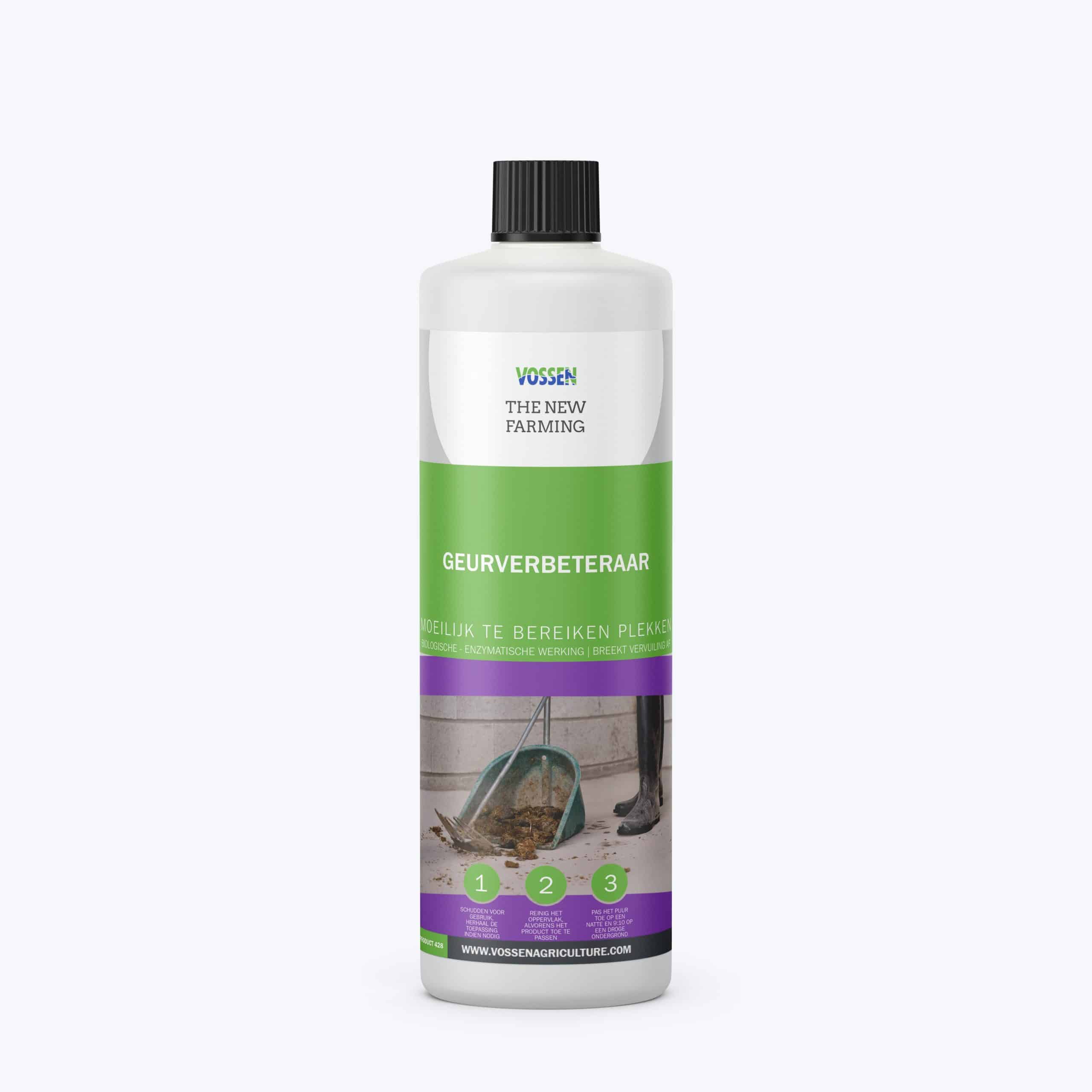 Select options This product has multiple variants. The options may be chosen on the product page


